

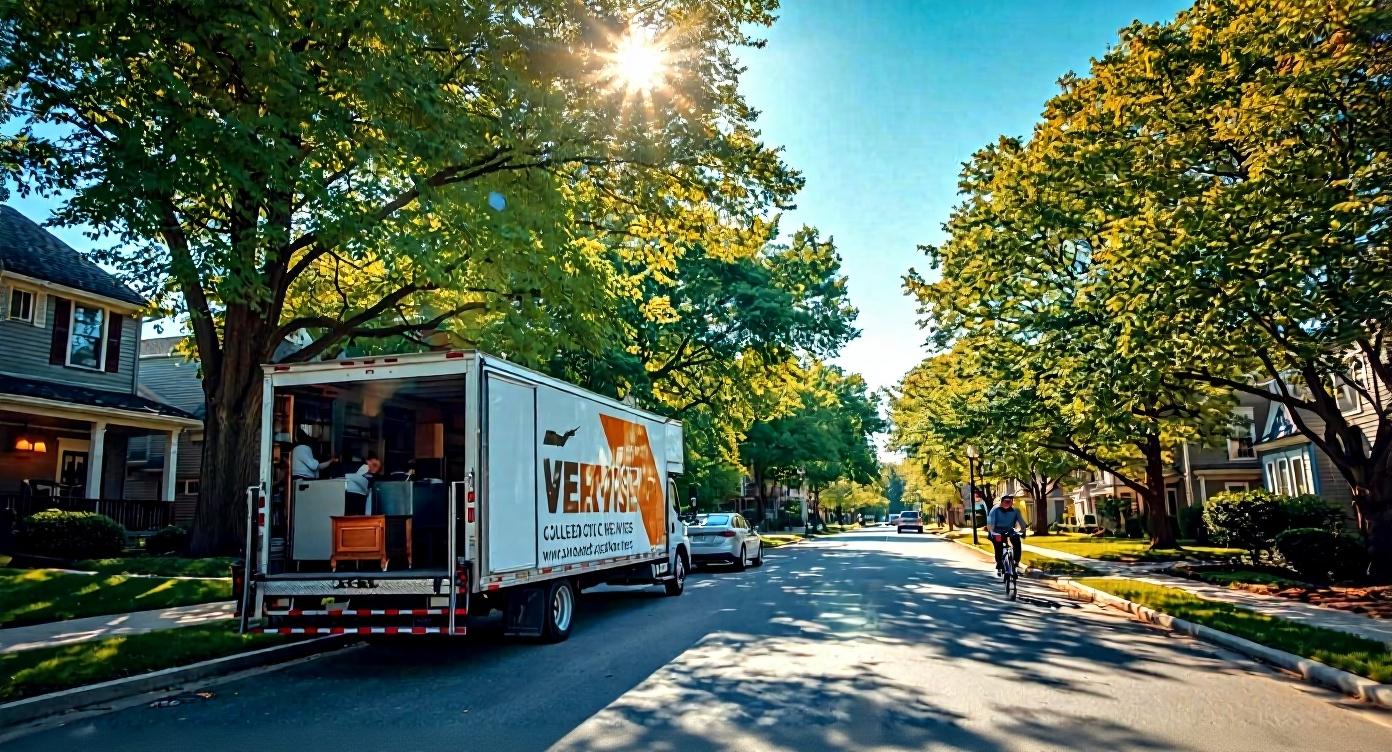
It might seem like a short move on a map — just 35 miles north on the Northway — but moving from Albany to Saratoga Springs is a genuine lifestyle upgrade that surprises most people who make the transition. I'm Lisa Dubé Forman, a licensed real estate broker with over 30 years of experience selling property in upstate New York, including the Adirondacks, who now focuses my practice on Saratoga Springs, Saratoga County, and the surrounding Capital Region. I reside in the Saratoga Springs immediate area. I work with Albany-area buyers, and I tell them not to expect Saratoga Springs to feel like a smaller, more expensive version of where they already are. What they discover instead is something qualitatively different — a city with a distinct identity, an extraordinary cultural calendar, and a real estate market that rewards buyers who understand it. This guide covers everything an Albany-area buyer needs to know before making the move.
How Far is Saratoga Springs from Albany — and Does the Commute Work?
Interstate 87 (the Northway), U.S. Highway 9, and state Route 50 are the main roads connecting Saratoga Springs to Albany, a 35-mile drive. Under normal conditions, that is a thirty to forty-minute commute by car — straightforward enough that many people make it daily for work in either direction.
For state government employees, healthcare workers at Albany Medical Center and its affiliates, or professionals based in downtown Albany, a home in Saratoga Springs is entirely practical as a daily commute. The Northway is generally uncongested outside of rush hour, and the drive itself — particularly heading north through the gradual transition from suburban Albany into the Saratoga landscape — is one of the more pleasant commutes in the Capital Region.
Capital District buses run to and from Albany and Schenectady, and Albany International Airport is approximately 30 miles south. Homes.com For buyers who travel frequently for work, proximity to the airport is a convenient and practical consideration.
The honest qualification is that rush hour on the Northway between exits 9 and 15 can add delay to the commute during peak periods. Buyers who need to be in Albany by 8 am should test the drive at that time before committing to a home location — the difference between a 35-minute drive and a 55-minute one matters in daily life.
What Does Saratoga Springs Offer That Albany Does Not
This is the question Albany-area buyers most need answered honestly, because the cost difference between the two markets is real and worth understanding before you commit.
Saratoga Springs has earned numerous accolades, including being named one of the most beautiful towns in America by U.S. News & World Report and one of the 30 best small cities in the country. Stack-N-Stor But what that actually means on the ground for a buyer coming from Albany is more specific.
The downtown experience is categorically different. Broadway in Saratoga Springs offers a concentration of independent restaurants, boutiques, galleries, and cultural venues that Albany's downtown, despite its ongoing revitalization, has yet to match. The farmers market, Congress Park, the Saratoga Performing Arts Center, and the Race Course create a year-round cultural calendar that makes Saratoga Springs feel considerably more vibrant than its roughly 30,000 residents would suggest.
The Saratoga Spa State Park — 2,300 acres of trails, the SPAC amphitheater, golf courses, pools, and the historic Roosevelt Baths — sits directly adjacent to the city and functions as a genuine backyard for residents in a way that few state parks in New York can claim. For families and outdoor enthusiasts alike, this is one of the most underrated aspects of life in Saratoga Springs.
And then there is the racing season. From late July through Labor Day, Saratoga Race Course transforms the city into something unlike anywhere else in New York State. As someone who has spent decades at the track, I can tell you that for residents who embrace it, the six-week racing season is among the best of the year.
How Do Home Prices Compare Between Albany and Saratoga Springs
This is where Albany-area buyers need to go in with clear expectations. Saratoga Springs commands a meaningful premium over most Albany neighborhoods, and that premium is not going away.
The median home value in Saratoga Springs sits at approximately $451,767 Livability — significantly higher than median values in most Albany city neighborhoods and comparable to or above the better Albany suburbs. Buyers coming from the city of Albany specifically will feel the price difference most acutely. Buyers coming from Delmar, Loudonville, or other established Albany suburbs will find Saratoga Springs pricing more familiar, though still generally higher for comparable properties.
What buyers consistently discover, however, is that the price premium buys something real — stronger school districts, a more distinctive neighborhood character, higher long-term appreciation, and a quality of life that justifies the difference for most families who make the move and stay.
Property taxes deserve a direct mention. Saratoga Springs has a combined property tax rate typically over 2% of assessed value, representing a composite of city, Saratoga County, and school district taxes, with the largest share funding the highly-rated Saratoga Springs City School District. Nelson Westerberg For buyers coming from Albany, where tax structures differ, it is worth doing a careful calculation before falling in love with a specific property.
Which Neighborhoods Should Albany-Area Buyers Consider
The answer depends significantly on what you are moving toward rather than just what you are moving away from.
Buyers who want the most direct lifestyle upgrade from Albany — walkability, proximity to restaurants and culture, historic architecture — will gravitate toward the East Side and downtown areas. These neighborhoods deliver the biggest qualitative leap from typical Albany neighborhoods, but also carry the highest price points in the Saratoga market.
Buyers moving from Albany suburbs like Delmar, Guilderland, or Colonie who are accustomed to more space, larger lots, and newer construction will find their natural counterparts in Wilton, Malta, and Ballston Spa. These communities offer the suburban comforts of Albany's better suburbs, with Saratoga Springs conveniently nearby. Malta in particular offers short commutes to both Saratoga Springs, of ten to fifteen minutes, and Albany, of twenty-five to thirty minutes Elementssaratoga — making it genuinely practical for buyers with professional commitments in both cities.
For buyers with horses, dogs, breeding operations, or a need for meaningful acreage, the rural corridors of Saratoga County and Washington County to the east open up considerably once you leave Albany's suburban ring. Finding a property that genuinely works for an animal-centered lifestyle near a city of Saratoga Springs' caliber is rare in the Northeast — and it is one of the specialties I bring to this market that most agents do not.
What About Schools
For Albany-area buyers with children, the school comparison almost always favors Saratoga Springs and the surrounding towns.
The Saratoga Springs City School District earns an A-minus overall rating on Niche with an A for academics. Stack-N-Stor The district includes six elementary schools, one middle school, and one high school Homes.com and consistently ranks among the strongest public school districts in the Capital Region. For buyers currently in Albany city schools specifically, the difference in school quality is one of the most frequently cited reasons for making this move and one of the most immediately felt after the transition.
The surrounding town districts — Ballston Spa, Malta-Stillwater, Burnt Hills-Ballston Lake, and others — each have their own distinct characters and strengths and are worth researching individually rather than treating them as interchangeable alternatives to the Saratoga Springs city district.
What Albany-Area Buyers Are Often Surprised By
A few consistent surprises have come up in almost every conversation.
The first is how quickly the Saratoga Springs market moves. On average, homes in Saratoga Springs sell after 31 days on the market compared to the national average of 53 days. Homes.com Buyers accustomed to Albany's market pace sometimes underestimate how quickly they need to be prepared to act when the right property appears. Coming pre-approved and clear on your priorities before you start searching is not optional here — it is essential.
The second is the dynamic of the racing season. Buyers who have not experienced Saratoga Springs in August before purchasing near the track or downtown are sometimes caught off guard by the intensity of the seasonal shift in energy, traffic, and neighborhood character. I always encourage Albany-area buyers to visit during race season before committing to a property near the track — not as a warning, but as essential due diligence.
The third is the genuine sense of community. Saratoga Springs has a small-city identity that Albany, as a state capital with a more transient professional population, does not quite replicate. Neighbors know each other here. The volunteer community is active and visible. Civic life is genuinely participatory. For buyers who have felt anonymous in Albany, this is often the most unexpected and welcome discovery of all.
Ready to Make the Move From Albany
Whether you are a state government professional, a healthcare worker, a technology employee at GlobalFoundries, or simply an Albany-area resident who has been watching Saratoga Springs from a distance and wondering whether it is the right fit, I would welcome the conversation.
I offer a no-pressure initial consultation where we talk through your timeline, priorities, and the current market for the neighborhoods and property types that interest you most. Reach me directly through the contact form on this site or visit my Saratoga Springs community guide for a broader picture of what life here looks like year-round.
