

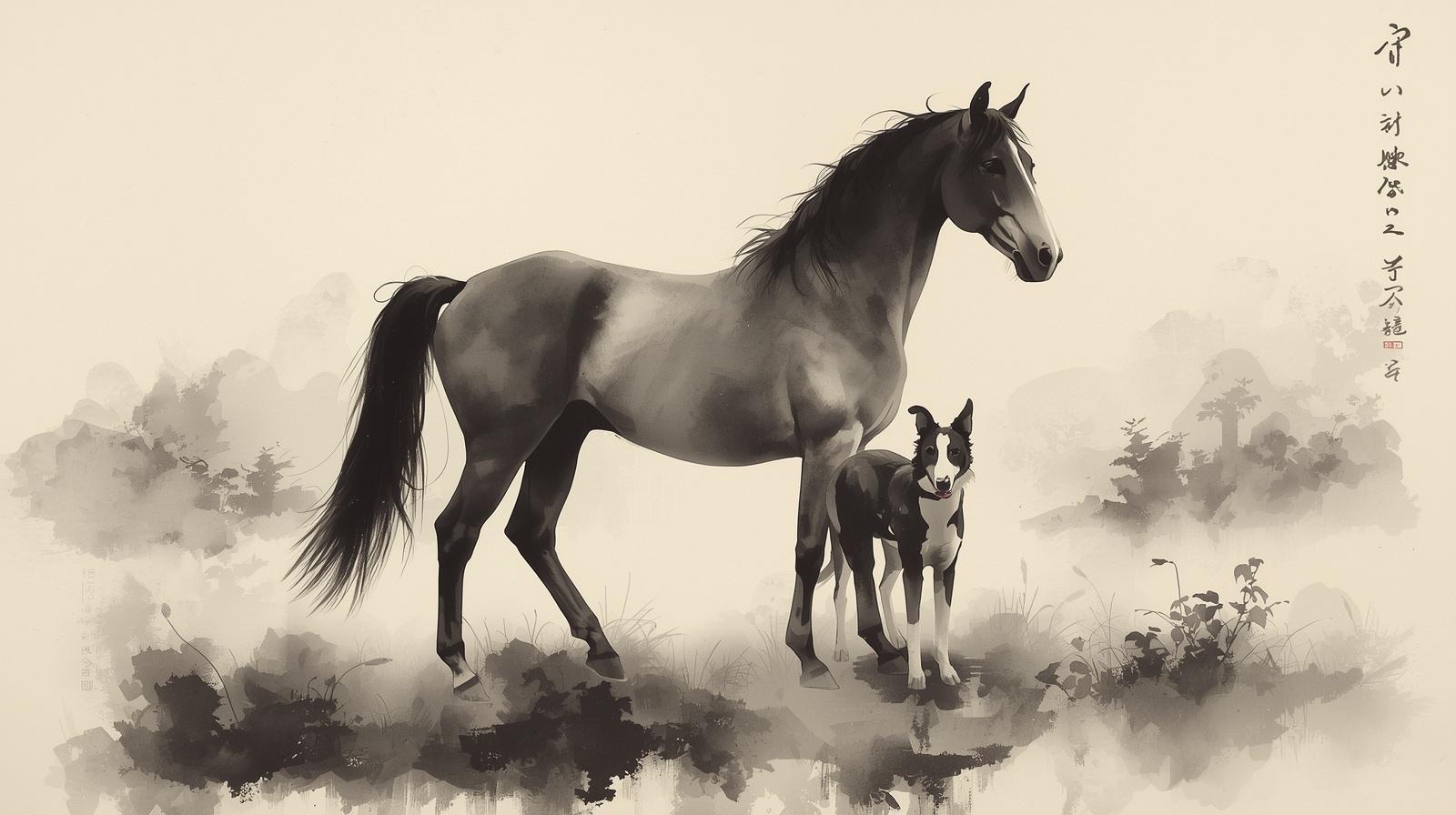
Dogs possess an instinctive sensitivity to a home's energy, known as Chi, which refers to the natural flow of life force in Feng Shui. They frequently select comfortable, secure, or warm locations that inherently correspond with Feng Shui principles, an ancient Chinese practice focused on arranging spaces to enhance the flow of positive energy. Canine behavior can thus serve as an indicator of energy flow within a space, as dogs often prefer quiet, protected corners with their backs against a wall. This preference mirrors the Feng Shui concept of the "commanding position," which provides a clear view of the room's entrance, as well as support and security. Additionally, dogs may avoid areas where Chi is stagnant, chaotic, or obstructed, further demonstrating their responsiveness to the energetic qualities described by Feng Shui.
Furthermore, the Feng Shui approach encourages homeowners to observe their pets' chosen resting spots and adjust their home settings accordingly. This might involve rearranging furniture to create more inviting, energy-rich spaces that both humans and pets can enjoy together. As our furry friends curl up in their favorite corners or on a certain couch, they can teach us much about achieving harmony and balance in our environment.
How Dogs Interact with Feng Shui
Safety First:
Dogs naturally prefer sleeping spots that offer a view of the room's entrance yet feel enclosed, often placing their backs against a wall, a pattern that aligns with the "commanding position."
To enhance this sense of safety, pet owners might consider placing their dogs' beds in strategic locations that mimic these Feng Shui principles, ensuring pets feel both secure and included in family life.
Locating Energy:
Pets are sensitive to electromagnetic fields (invisible areas of energy often produced by electrical wiring or devices) and earth energy (subtle natural vibrations from the ground), often choosing or avoiding specific spots based on the room's vibration or energy quality.
This information is valuable for owners seeking to create a harmonious living environment, as reducing electrical clutter and minimizing appliance interference may contribute to more restful spaces for both humans and animals.
The Grounding Agent:
In Feng Shui, dogs are associated with the earth element, which is believed to provide grounding energy, stability, and protection. Incorporating grounding elements, such as earth-toned colors and accessories in shades of brown, yellow, or orange, can enhance the natural earth energy associated with dogs.
Daily walks on natural surfaces, such as soil, sand, or grass, are recommended to help pets connect with Earth's energy. Dogs often experience increased anxiety and barking when confined to concrete surfaces, as is common in animal shelters.
Integrating additional elements, such as wood or metal, alongside grounding influences can further enhance the stability and protection that dogs contribute to an environment. The use of indoor plants or earthen pottery may also strengthen this synergy, providing both aesthetic value and energetic support.
Feng shui wind chimes are used to enhance positive energy (chi), cure negative energy ("poison arrows"), and balance elements in a space. Typically placed near entrances, windows, or in the northwest, they are chosen based on material (metal, wood, bamboo) and rod number to attract wealth, luck, and calm.
How Horses Interact with Feng Shui
Horses, recognized for their sensitivity, naturally respond to the energetic composition of their surroundings, which can significantly influence their health and temperament. Applying Feng Shui principles to stable design can therefore have a substantial impact on equine well-being and behavior.
Similar to dogs, horses are strongly influenced by the Feng Shui of their environment. They are responsive to energy flow, geopathic stress, and the overall energetic quality of their surroundings.
To promote optimal energy flow, horse owners and stable designers are encouraged to regularly assess energy pathways and reorganize stable layouts to minimize stress and maximize harmony.
Horses reflect and react to negative energy. In low-energy environments, they might display signs such as poor health, digestive discomfort, or a withdrawn temperament, underscoring their responsiveness to environmental conditions.
Key Principles of Barn Feng Shui for Horses:
Geopathic Stress: Horses are sensitive to unnatural energy from the earth, often referred to as geopathic stress. This term refers to disturbances in Earth's natural electromagnetic field that can adversely affect health, sometimes causing illnesses that veterinarians cannot diagnose.
Addressing these disruptions through natural means, such as adjusting stable placement or installing grounding tools, can be an important strategy for maintaining horse health.
The best grounding tools for stables include:
* Natural Stone or Rocks: A large, sturdy rock or landscaping boulder placed near the entrance or in a corner can anchor energy and protect against fast-moving sha chi (direct, harsh energy).
* Earthenware and Clay Pots: Pots made of heavy materials, specifically ceramic or clay, are excellent for adding weight and stability to the area.
* Crystals: Natural rocks or stones, particularly grounding ones like hematite or obsidian, can be placed near stalls, although they must be kept out of reach of horses.
* Earth-Toned Colors: Using colors like beige, sand, or brown in barns (e.g., painted wood, storage, or mats) fosters stability.
* Square Shapes: The Earth element is represented by squares. Using rectangular or square feeding bins, rugs, or layout structures helps create a grounded foundation.
* Soil or Sand: Simply placing potted plants with rich soil, or maintaining well-tended dirt areas, strengthens the earth element.
* Root Crops: Providing root vegetables like carrots, beets, or garlic, which correspond to the Earth element, can help bring a calming, nurturing energy.
Specific Stable Application
For barns with significant metal siding or to combat anxiety in horses, placing a large, natural stone to "weight down" a corner or adding a ceramic container of soil acts as a powerful grounded anchor.
Optimal Placement
Keeping horses out of the "south sectors" (the southern parts) of barns may help prevent stress, especially during certain times. In Feng Shui, certain directions, such as south, can affect energy flow and may influence an animal's well-being. This principle responds to both seasonal changes and evolving energy dynamics.
Flow and Safety
A well-organized, clutter-free layout is essential for minimizing anxiety in horses. Incorporating spacious, clean pathways and clearly defined zones for various activities can further reduce stress and promote a tranquil environment.
Energy Reflection: Because horses are reactive and sensitive, they provide instant feedback on their environment and emotional atmosphere, such as restlessness and agitation. A horse that is constantly agitated, pacing, or seemingly distressed in a specific area may be reflecting poor energy flow, such as a "black stream" or negative geopathic stress (like underground water).
If a horse becomes unusually stiff or reluctant to move in certain areas of a stable, it is likely responding to unfavorable energy, which may contribute to illness or injury.
Tips for a Balanced Barn
Lighting: Using red or dark orange lights in the southern section (the south-facing part) of a stable can promote peace and harmony. In Feng Shui, color and direction are used to shift energy. Supplementing artificial lighting with sufficient natural light throughout the day aligns with Feng Shui principles and supports horses' natural circadian rhythms.
Elements
Ensure a natural balance by incorporating wood elements (wood objects or structures, which in Feng Shui symbolize growth and vitality) and by providing proper water flow, such as installing automatic waterers that provide a constant, fresh water supply to avoid stagnation, which creates "sick" or stagnant energy. The sound of moving water can serve as a pleasant, grounding feature for the horses. Clean water represents abundance and health.
Combining metal elements by using strong yet gentle materials for fences and gates, such as welded wire mesh framed in wood, can further secure and stabilize the energy within the barn. This combination provides the structural stability of metal while introducing the softening, natural element of wood, creating a secure and visually welcoming horse environment.
Environment
A clean, safe, and positive environment directly impacts their health. Regular maintenance, use of non-toxic cleaning products, and attention to air quality can significantly enhance the living conditions for your equine friends, allowing them to thrive in harmony with their environment.
